Member
Rating
Created At
For foreigners in Russia:✓ How not to get lost in paperwork✓ Where to find real help (not just contacts)✓ What's true — and what's myth — about life here.Straight to the point. No fluff.Just like a friend explaining it to you.#Russia #Visa #Expat
No related blogs yet
🏠 HOUSING & TRANSPORT IN RUSSIA: WHAT FOREIGNERS ACTUALLY NEED TO KNOW
🚨 CORE MESSAGE:
No registration = deportation risk. No apps = overpaying for transport.
This isn't tourism advice — it's what keeps you legal.
🏢 HOUSING: 3 CRITICAL RULES
1. Registration is mandatory — not optional
❌ Mistake: "I'll rent first, register later"
✅ Reality:
• Landlords must register you within 7 days of arrival
• Airbnb/Booking apartments won't provide registration → illegal stay
• Required documents: original migration card + visa copies
⚠️ No registration = $25-60 fine + potential 3-year entry ban
2. Verify property ownership before paying
❌ Mistake: "I found a perfect apartment on Avito.ru — no agent needed"
✅ Reality:
• 68% of rental scams target foreigners (MVD data)
• Scammers demand "deposit before viewing" → disappear with money
• Always check ownership via Rosreestr website (takes 15 minutes)
🛡 Safer option: Use verified agencies like InYourPocket or Expat.ru (fee = 50% of first month's rent)
3. Budget for real monthly costs
• Moscow 1-bedroom apartment: $700-1,100 USD (rent only)
• Utilities (water/electricity/heating): +$90-140 USD
• Internet (100 Mbps): $6-8 USD/month
💡 Tip: Demand utility payment receipts before signing — landlords often hide debts
🚇 TRANSPORT: COST-EFFECTIVE SOLUTIONS
1. Metro is the fastest daily option
• Moscow/St.Petersburg metro: $0.85 USD/ride (unlimited transfers)
• Airport taxis: $15-30 USD (always use apps — see below)
• Rush hours (8-10 AM, 6-8 PM): Metro only — roads jam for 3+ hours
2. Official taxi apps save 40% vs street taxis
• Yandex.Taxi (primary app) → choose "Comfort" for AC/clean cars
• Citymobil (backup) → often cheaper in suburbs
• Never pay cash → all rides logged digitally for legal proof
🚫 Street taxis = 2-3x price + no receipt → risky if stopped by police
3. Trains > flights for regional travel
• Moscow-St.Petersburg: 4h by Sapsan train ($20-40 USD) vs $30+ USD flight
• Book only via official site (rzd.ru/en) — third-party sellers overcharge 30%
• Keep e-ticket + passport — conductors check every 30 minutes
💡 ACTION STEPS:
1. Planning to move? Save 3 months' rent + utilities in your home currency
2. Already here? Check registration expiry — renew 14+ days before it ends
3. Everyone: Install Yandex.Taxi + download official metro maps offline
🔍 OFFICIAL SOURCES:
• Registration rules: MVD portal (гувм.мвд.рф)
• Transport apps: Download only from App Store/Google Play
❓ Have questions about housing or transport?
👉 Join discussion: https://t.me/together_in_russia2
No politics. No hidden schemes. Verified information only.
#HousingInRussia #MoscowTransport #ExpatLife #RussiaVisa #MovingToRussia
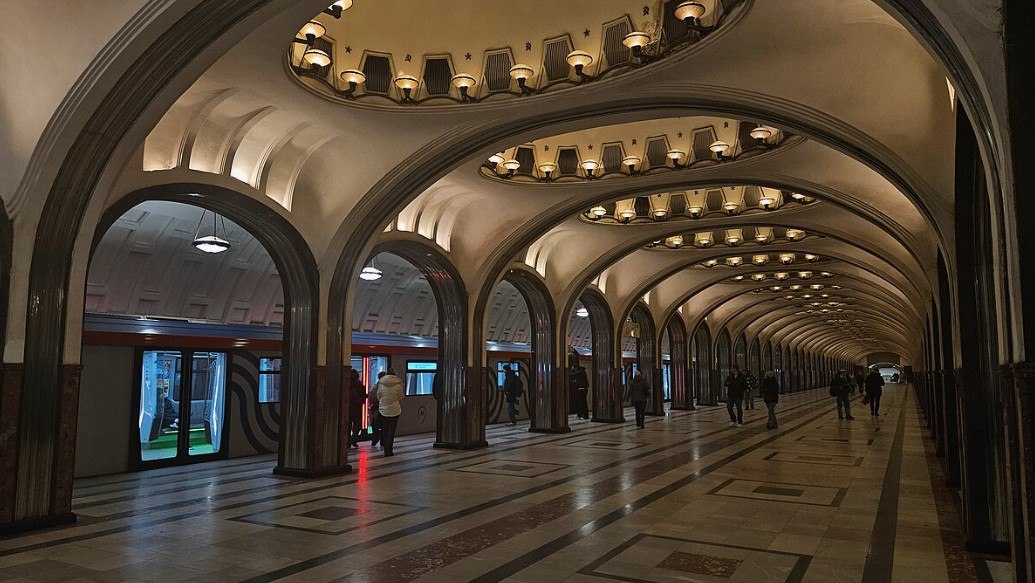
Communication and Internet in Russia — 2026: How Not to Stay "Out of Service"
The first thing you need after leaving the airport is a stable internet connection. In Russia, it is among the cheapest and fastest in the world, but there are rules. Let’s see how to get connected quickly without overpaying.
Where to Buy a SIM Card: Options and Pitfalls
📍 At the Airport
Plus: Convenient, right upon arrival.
Minuses:
• prices are 2–3 times higher than in the city;
• forced extra services (insurance, roaming);
• limited selection of tariffs.
Advice: Buy here only if you are in a major rush.
📍 In the City
Where: Communication stores in shopping malls, on streets, or in the metro.
Pluses:
• standard prices;
• consultants will help you choose a tariff;
• you can activate an eSIM instantly.
Advice: Look for official MTS, Megafon, or Beeline stores — less risk of encountering scammers.
📲 eSIM
How: Through operator apps (MTS, T-Mobile) or banks (T-Bank).
Nuances:
• your phone must support eSIM;
• ID verification (passport photo + selfie) may be required for activation;
• not all operators provide eSIM to foreigners.
Advice: Check the operator's website in advance.
Top 4 Operators in 2026: Which One to Choose?
1. MTS / Megafon
Pluses:
• Best coverage (works even in forests, metro, and on highways).
Minus:
• Tariffs are slightly more expensive.
2. Beeline / Tele2 (T2)
Pluses:
• Cheap urban tariffs, frequent promotions.
Minus:
• Connection may drop in remote areas.
3. T-Mobile (Tinkoff)
Pluses:
• Convenient if you are already a T-Bank customer;
• flexible tariffs that can be changed in the app;
• works on the Tele2 network (average coverage).
4. Yota
Pluses:
• Unlimited tariffs for social media and video, transparent pricing.
Minus:
• Coverage is weaker than MTS/Megafon.
What You Need to Know Before Buying
• Passport is mandatory. No SIM card will be sold without it. The process takes 5–10 minutes.
• Tethering (Hotspot). In 2026, many operators charge a separate fee ($0.5–$2 per day). If you plan to work from a laptop via your phone, clarify this immediately.
• Public Wi-Fi. Free in cafes, parks, and the metro, but: requires authorization via a Russian phone number (+7).
• Roaming. If traveling to regions, check the operator's coverage area. There may be "dead zones" in remote places.
How Much Does Communication Cost in 2026?
• $6–$9/month — 30–50 GB of internet + 300–500 minutes of calls.
• $10–$15/month — 50–100 GB + unlimited messengers.
• Unlimited plans are rare but available (from $18).
Advice: Choose a tariff with extra data — excess traffic in 2026 is expensive (up to $5 per 1 GB).
Hacks for Newcomers
✅ Download the app. Monitor your balance and disable extra services immediately.
✅ Enable Auto-payment. Link your card so you don't lose connection unexpectedly.
✅ Save the receipt. It contains the PUK code — you'll need it if you lock your SIM.
✅ Ask about cashback. Some operators give bonuses for payments (e.g., 5% back).
FAQ
❓ "Can I buy a SIM without registration?" — No. Passport registration is mandatory.
❓ "How to top up the balance?" — Via the operator's app, in-store (cash), or at ATMs.
❓ "Will my phone work in Russia?" — Ensure your device supports 4G/5G frequencies used in the RF.
---
Ask your questions in our group: 👉 https://t.me/together_in_russia2
#Russia2026 #MobileRussia #TravelTips #RussianInternet #ExpatsRussia

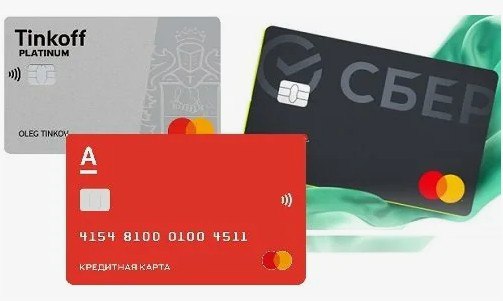
How to Open a Bank Card in Russia as a Foreigner (2026)
Cash in your pocket is only for the first day. In Russia, almost everything is digital: taxis, food delivery, online shopping, and even vending machines. Without a card, you will overpay, waste time, and get stressed. Let’s break down how to get it done.
Which bank to choose? Top 4 for newcomers in 2026
1. T-Bank (Tinkoff)
➕ Pros: The card is delivered by courier to your hotel or cafe the next day; minimum bureaucracy; user-friendly app with English support.
📲 How to apply: Submit an application in the app and choose a delivery time. *Note:* Additional ID verification might be requested.
2. Sber (Sberbank)
➕ Pros: Branches in every city and village; issues can be resolved in person if something goes wrong.
➖ Cons: Queues; slightly more paperwork required.
📲 How to apply: Visit an office, submit your documents, and wait 10–15 minutes.
3. Alfa-Bank
➕ Pros: Quickly opens accounts for foreigners; great app interface; often flexible with document requirements.
📲 How to apply: Visit an office, fill out a form, and get the card the same day.
4. VTB
➕ Pros: Vast branch network; loyal conditions; possibility of remote identification (for citizens of certain countries).
📲 How to apply: At a branch or via an online application.
*Check current conditions with your chosen bank before applying — requirements can change.*
What documents do you need? (Check twice!)
• Passport (Original + Copy).
• Notarized translation of the passport — Required if no Russian page in the passport. *Note:* Some banks accept digital translations.
• Migration card — The paper from the border. Don't lose it!
• Proof of right to stay in Russia — Visa, RVP, VNJ, patent, employment contract, etc.
• Registration (Notification of arrival) — Required depending on the bank. If in a hotel, get it at reception. If in an apartment, ask the landlord.
• Russian SIM card — Banks link everything to a +7 number.
• INN (Tax ID) — Optional, but needed for large transactions (get it at MFC in 5–7 days).
• Proof of income — Optional (needed for balances over 600,000 ₽).
Step-by-Step Guide:
1. Pick a bank ➔ 2. Gather documents ➔ 3. Apply ➔ 4. Wait 10-30 min ➔ 5. Get and activate card ➔ 6. Link your +7 number.
Why do you need this card?
🚕 Yandex Go — Taxis without change issues.
💸 SBP — Instant, commission-free transfers by phone number.
🤳 QR Code Payments — Scan and pay at cafes and shops.
🛒 Online Shopping — Wildberries, Ozon (foreign cards don't work).
The "Million-Dollar" Tip:
✅ As soon as you have the card, deposit your cash via ATM.
✅ Test the SBP system with a small transfer (100 ₽).
✅ Keep screenshots of your operations.
✅ Enable transaction notifications.
FAQ:
❓ *"No registration?"* Some banks (T-Bank) might be flexible for 3–5 days, but registration is required by law.
❓ *"No INN?"* You can open a card, but get an INN for large operations.
❓ *"Bank refused?"* Ask for a written reason. Often it’s a missing document—try another bank.
❓ *"Work abroad?"* "Mir" cards work in limited countries. Use UnionPay for trips outside Russia.
---
Discuss or ask questions in our group: 👉 https://t.me/together_in_russia2
#Russia2026 #RussianBanks #LifeInRussia #MirCard #TravelTips
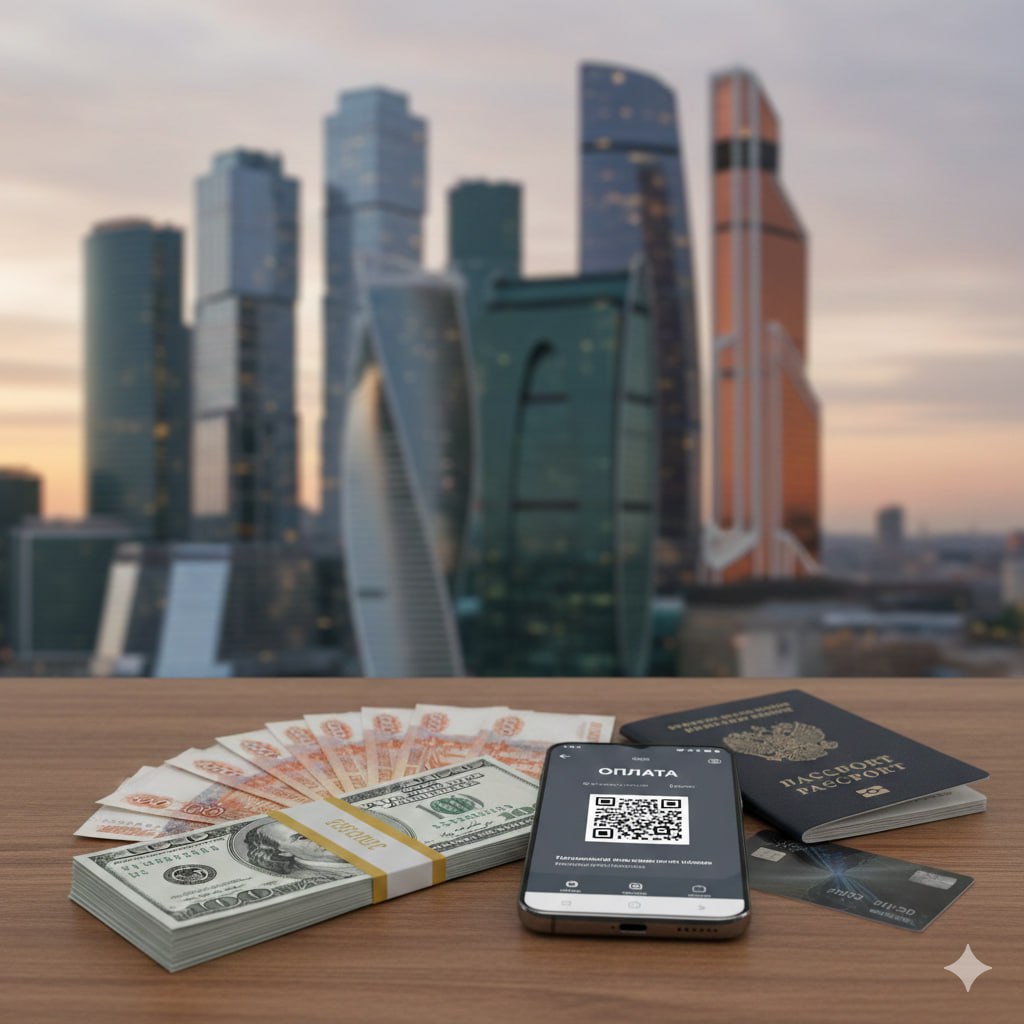
Traveling to Russia in 2026? Cash (USD, EUR, CNY) and Initial Expenses
Forget about your home bank's Visa/Mastercard — they are nearly useless in Russia. Let’s break down how to avoid being left without money in your first few days.
💵 Which currency to bring: USD, EUR, or CNY?
The optimal set:
✅ US Dollars (New design only, issued after 2009 — "blue" notes)
✅ Euro (Issued after 2013)
✅ Chinese Yuan (Increasingly popular for exchange)
⚠️ What is critical for all currencies:
• Not a single mark, stamp, or ink writing
• No folds, tears, or taped areas
• Clean, as if straight from the printer
Important:
📍 "White" old-style USD (pre-2000s): Banks will either refuse them or put you through endless checks with a bad rate.
📍 Euro issued in 2002 or earlier — High risk of rejection.
📍 Yuan must be issued after 2019 (new series).
🔢 Breakdown by denominations
One principle applies to all currencies:
🔹 Small bills ($5–$20 / €5–€20 / 10–50 ¥) — for coffee, metro, and taxis.
🔹 Medium bills ($50 / €50 / 100 ¥) — for cafes and shops.
🔹 Large bills ($100 / €100 / 200 ¥) — your main reserve.
💡 Advice: Bring a mix. Even one damaged dollar/euro/yuan bill can ruin your day — check every single note before you fly.
🏦 Where to exchange currency for Rubles?
• Airport: The rate is a ripoff (10–15% worse). Exchange a minimum: $50–$100 for a taxi and food.
• City Banks: The best option. Compare rates on Banki.ru or Sravni.ru. Bring your passport.
• Street Exchange Offices: Risk of hidden fees and scams.
🌐 Crypto (USDT): Is it worth the risk?
In 2026, USDT is a gamble. Banks block accounts (AML systems are strict), and P2P requires verification. Take USDT only if you know exactly how to cash it out. For the first day, cash is mandatory.
📊 Initial Expenses: Estimated Price List (for 48 hours)
— Taxi from the airport: $15–$40
— Lunch in a cafe: $7–$20 per person
— Metro fare: $1
— SIM card: $5–$7
— Apartment deposit: $130–$400
🚨 P.S. Entering Russia (IMPORTANT!):
From June 30, 2025, to June 30, 2026, visa-free foreigners must file an entry notification via ruID or Gosuslugi.
Deadlines: You must file no earlier than 90 days and no later than three days before crossing the border. Otherwise, you risk being denied entry at passport control.
---
Discuss or ask questions in our group: 👉 https://t.me/together_in_russia2
#Russia2026 #TravelToRussia #MoneyInRussia #ExpatsInRussia #MigrationHelp
🎓 HOW TO STUDY IN RUSSIA: PART 3 (FINAL)
Costs, housing & getting started
Last part of the guide! 👇 Practical info about money and accommodation.
Missed Parts 1-2? Scroll up!
🎁 STEP 7: FREE OR PAID?
🆓 OPTION 1: GOVERNMENT QUOTA (FREE!)
What you get:
🎓 100% free tuition
💰 Monthly scholarship ($20-30 USD / 1,500-2,500 rubles)
🏠 Free dorm room (if available)
📌 30,000 seats per year for international students
How to apply:
1️⃣ Go to education-in-russia.com
2️⃣ Create account
3️⃣ Fill application (choose 1-3 universities)
4️⃣ Upload document scans
5️⃣ Submit
⏰ DEADLINE: JANUARY 15, 2026
That's very soon!
📧 Results: May-June 2026
💰 OPTION 2: PAID PROGRAMS
⏰ Deadline: July 15, 2026
💵 ANNUAL COSTS (2025/2026):
🩺 Medicine: $3,800-7,700/year
💻 IT/Programming: $2,800-4,500/year
🏗 Engineering: $2,800-4,200/year
📚 Humanities: $2,300-3,200/year
💼 Economics: $2,500-4,500/year
Regional universities are typically $500-1,000 cheaper per year.
🏠 STEP 8: HOUSING
💵 DORMITORY COSTS (2025/2026):
In major cities (Moscow, St. Petersburg):
- Standard dorm: $75-100/month USD (6,000-8,000 rubles)
- Better accommodation: $65-160/month USD
In regional cities (Kazan, Tomsk, Novosibirsk):
- Standard dorm: $25-50/month USD (2,000-4,000 rubles)
- Much cheaper overall
Private apartment (if no dorm):
- Shared apartment: $100-400/month USD
- Depends on city and location
📋 HOW TO GET DORM ROOM:
1️⃣ Apply to university 2-3 months before arrival
2️⃣ Send visa copy + medical documents
3️⃣ Pay deposit (usually 1-2 months rent)
4️⃣ Get your room assignment
5️⃣ Move in
⚠️ Limited spaces! Don't wait too long.
💡 PRACTICAL TIPS
🗣 Learn Russian before arriving
→ 3-6 months minimum, even basics help
💰 Bring money for first 2-3 months
→ Food, transport, unexpected expenses
📱 Find Telegram chats before you arrive
→ Students answer questions, share info
🏥 Budget per month (starting):
- Dorm: $25-100 (or free with quota)
- Food: $40-65 (cooking yourself)
- Transport: $5-20
- Misc: $30-50
TOTAL: $100-235/month minimum
🏥 Get health insurance right away
→ Required for visa and residence permit
💼 If working: max 20 hours per week
→ Balance with studies
🚀 NEXT STEPS:
1. Visit education-in-russia.com
2. Email 2-3 universities
3. Collect your documents
4. Start apostille process
5. Find Telegram student groups
❓ Need clarification?
👉 https://t.me/together_in_russia2
#StudyInRussia #University2026 #InternationalStudents
#Admission2026 #StudentHousing #EducationAbroad
#RussiaEducation #CostOfLiving #StudyPlanning
🎓 HOW TO STUDY IN RUSSIA: PART 2
New education system, visa & working rights
Continuing our guide to Russian university admission! 👇
Missed Part 1? Scroll up in the channel!
🎓 STEP 3: RUSSIA'S NEW EDUCATION SYSTEM (МСКО)
🆕 WHAT CHANGED IN 2026?
Russia stopped using bachelor/master degrees. Now there's a new system with МСКО levels.
📚 NEW EDUCATION LEVELS:
1️⃣ BASIC HIGHER EDUCATION
⏱️ Duration: 4-6 years (depends on program)
📊 МСКО Level: 6
📜 Document: Higher Education Diploma
📌 Examples: doctor (6 yrs), engineer (4 yrs)
2️⃣ SPECIALIZED HIGHER EDUCATION
⏱️ Duration: 1-2 years AFTER basic level
📊 МСКО Level: 7 (only if total is 5+ years)
📜 Document: Specialized Higher Education Diploma
📌 Example: advanced specialization
🎯 SIMPLE EXAMPLES:
✅ Study 4 years = МСКО 6 (bachelor equivalent)
✅ Study 4 years + 2 more years = МСКО 7 (master equivalent)
✅ Study 6 years straight = МСКО 6 (no additional level)
📌 Who is affected?
✅ Starting September 1, 2026 → new system applies
❌ Started before September 1 → finish with old system
🎫 STEP 4: STUDENT VISA PROCESS
📝 HOW IT WORKS:
1️⃣ University sends you official invitation (takes 30-45 days)
2️⃣ Go to Russian consulate in your country with:
✅ Invitation letter
✅ Passport + photocopies
✅ 4 passport photos (3.5×4.5 cm)
✅ Health insurance ($100+)
3️⃣ Get your visa (usually 7-14 days)
4️⃣ Arrive in Russia (visa valid for 90 days)
5️⃣ Extend your visa in Russia for full study period
⚠️ IMPORTANT: REGISTRATION REQUIREMENT
Within 3 business days of arrival, you must register your residence:
If living in university dorm:
→ University handles it automatically
If living privately:
→ Landlord/property owner submits registration
→ Or you can do it through Госуслуги (Russia's government portal)
No registration = fines or deportation
💼 STEP 5: WORKING WHILE STUDYING
✅ YOU CAN WORK IF:
✅ Full-time student (очная форма)
✅ At accredited university
✅ Max 20 hours per week during semester
🎯 WHERE CAN YOU WORK?
🏢 At your university (cafeteria, library, admin)
🏢 Private companies in Russia
📍 Any region (not just your university city)
💰 TYPICAL INCOME
Average: $200-400/month USD (15-30K rubles)
Ranges from: $190/month to $500+/month
Depends on: job type, city, your skills
Best paid work: IT, tutoring, translation
⚠️ IMPORTANT: Work shouldn't interfere with studies. Universities monitor this.
🌍 STEP 6: WILL YOUR DIPLOMA BE ACCEPTED?
✅ YES, in 90+ countries through:
✅ 74 government agreements
✅ International МСКО classification system
✅ Apostille and certified translation
🌏 COUNTRIES WITH AGREEMENTS:
Europe: France, Germany, Spain, Italy, Poland, Sweden...
Africa: Egypt, Morocco, South Africa, Algeria...
Asia: China, India, Thailand, Vietnam...
Americas: Venezuela, Mexico...
📋 TO GET DIPLOMA RECOGNIZED AFTER GRADUATION:
1️⃣ Get your diploma from university
2️⃣ Get apostille from your country's Ministry of Education
3️⃣ Have it professionally translated
4️⃣ Submit to your country's ministry of education
5️⃣ Wait for official recognition (1-6 months usually)
⚠️ Some countries require additional exams (especially medicine, law)
→ Check requirements BEFORE applying, not after
✅ IS IT REALISTIC TO STUDY IN RUSSIA?
YES if you:
✅ Start preparing 8-12 months before
✅ Don't miss deadlines (January 15 = critical!)
✅ Learn basic Russian
✅ Have realistic budget expectations
✅ Adapt quickly to new country
Your chances:
🔴 Government quota at top universities (MSU/SPbU): 30-40%
(very competitive, need excellent grades)
🟡 Paid admission at top university: 50-60%
(need good high school record)
🟢 Paid admission at regional university: 80%+
(usually accepted if documents are correct)
❓ Questions about education system or visa?
👉 Join our Telegram group:
https://t.me/together_in_russia2
We can help clarify 👥
#StudyInRussia #University2026 #EducationSystem
#InternationalStudents #VisaInfo #StudentWork
#RussiaEducation #HigherEducation #StudyAbroad
🎓 HOW TO STUDY IN RUSSIA IN 2026
Practical guide for international students
Thinking about studying in Russia? 🇷🇺 Good universities, affordable prices (compared to USA/Europe), diploma recognized in 90+ countries.
Here's what you need to know to apply. Let's go! 👇
🎯 WHY STUDY IN RUSSIA?
✅ Quality universities in world rankings
✅ Affordable — from $2,500/year for tuition
✅ FREE OPTION — Government quota (30k seats/year)
✅ Diploma recognized in 90+ countries
✅ Can work part-time if studying full-time
📊 STEP 1: CHOOSING A UNIVERSITY
🏆 POPULAR TOP UNIVERSITIES:
1. Moscow State University (Moscow) — $4,500-5,000/year
2. MIPT (Moscow) — $3,200-4,500/year
3. SPbU (St. Petersburg) — $4,500+/year
4. RUDN (Moscow) — $2,500-3,600/year
5. Kazan Federal University — $2,400-3,800/year
6. HSE (Moscow) — $3,800-4,500/year
7. ITMO (St. Petersburg) — $3,500+/year
8. Tomsk State University — $2,500-3,600/year
9. SPbPU Polytechnic — $3,200+/year
These are approximate prices. They vary by:
- University reputation
- Program type (engineering, medicine, humanities)
- Language of instruction
- Accommodation and region
💡 Tip: pick 2-3 universities for applications
🔍 WHERE TO SEARCH?
1️⃣ education-in-russia.com ⭐️ (official portal for government quota)
2️⃣ University websites → "International students"
3️⃣ QS World University Rankings (for reputation)
⚠️ STEP 2: DOCUMENTS & LANGUAGE TEST
📋 WHAT YOU NEED:
📜 High school diploma (with grades)
🪪 Passport
📷 4 photos (3×4 cm)
🏥 Medical certificate (your country standard)
🔬 HIV test certificate (valid 3 months)
📚 Language certificate (if required)
⚠️ IMPORTANT: All documents must be:
- Apostilled (at your Ministry of Education)
- Translated by certified translator
- Notarized in some countries
🌍 CRITICAL: RUSSIAN LANGUAGE TEST FROM APRIL 1, 2026
If your program is in RUSSIAN:
→ You need minimum B1 level (ТРКИ-I test)
If your program is in ENGLISH:
→ You need A2 level or IELTS 5.5+
Test cost: $70-85 USD
Test centers: Available in most major cities
📅 IMPORTANT DEADLINES 2026
🔴 JANUARY 15 — Last day for government quota application!
→ Register on education-in-russia.com
🔴 APRIL 1 — Russian language test starts
🔴 JULY 15 — Deadline for paid programs
✅ FIRST STEPS THIS WEEK:
1. Go to education-in-russia.com
2. Browse 2-3 universities
3. Email universities with questions
4. Start collecting documents
5. Prepare for apostille process
❓ Have questions? Need help?
👉 Join our Telegram group:
https://t.me/together_in_russia2
#StudyInRussia #Universities2026 #InternationalStudents
#IndiaToRussia #IranStudents #AfricaEducation #AsiaStudents
#RussiaEducation #StudentLife #EducationAbroad

🔐 RUSSIAN VISAS AND SAFETY: WHAT YOU MUST KNOW
🎯 CORE MESSAGE IN ONE SENTENCE:
Russia's system isn't about "possibilities" — it's about "permissions."
If you don't have the right permission on paper, you don't have the right to act.
This isn't bureaucracy. It's your protection.
⚡️ 3 RULES THAT WILL SAVE YOU FROM LOSING EVERYTHING:
1. Documents start AT HOME, not at the airport
❌ Mistake: "I'll fly to Moscow and figure it out there"
✅ Reality:
• Apostille for your diploma can ONLY be obtained in your home country
• Criminal record clearance is valid for 3-6 months
• Document translations must be notarized BEFORE arrival
⚠️ Skipping this at home = losing 2-3 months and thousands of dollars
2. Work = official MVD invitation, not a "job offer"
❌ Mistake: "They sent me a company offer — that's enough"
✅ Reality:
• Only Russia's MVD (Ministry of Internal Affairs) issues official invitations (telex)
• Employers must pass MVD verification (14-15 business days)
• Without this number, the consulate will deny your visa
🚩 Red flag: "Invitation in 3 days" = scammers or tourist visa (no work rights)
3. Safety = verification, not trust
❌ Mistake: "The company looks legit — they won't scam me"
✅ Reality:
• 99% of scammers demand a "guarantee deposit" ($200–500)
• Real companies NEVER take money from job candidates
• If they only use Telegram and lack a website/INN/reviews — it's not a real company
🔍 What to do:
1. Google: "[company name] + scam/reviews"
2. Call the Russian consulate in your country
3. Demand an official MVD invitation (not a "business letter")
🛡 ACTION PLAN FOR RIGHT NOW:
If you're ONLY PLANNING to move:
1. Create a document checklist (apostille, clearances, translations)
2. Contact the Russian consulate in your country — clarify requirements
3. Save contacts of trusted lawyers (not employer-recommended ones)
If you've ALREADY BEEN OFFERED a job:
1. Verify the company via INN (tax ID) on Russia's Federal Tax Service website
2. Demand the MVD invitation number — no visa without it
3. Never transfer money before getting your visa + company confirmation
If you're ALREADY IN RUSSIA on a tourist visa:
1. Never accept illegal work — deportation + entry ban risk
2. Leave before visa expiry — overstaying = fines + future bans
3. Apply for work visa from home — only reliable method
💡 WHY THIS MATTERS:
One mistake could cost you:
• $5,000–10,000 — lost to scammers
• 1–2 years — banned after deportation
• Future visas — denied due to deportation record
🌟 YOUR POWER = KNOWLEDGE, NOT HOPE
Save this post. When offered a "perfect job" with upfront payment — reread it.
When employers say "we'll handle everything" — come back here.
► WHERE TO GET HELP?
Write to our chat with your question — even if it seems "simple":
👉 https://t.me/together_in_russia2
We help you avoid traps and start life in Russia safely and legally
P.S. If this saves one person from losing money/time — our mission is complete. Share it with those planning to move. They might need it most.
#RussiaVisa #WorkInRussia #MigrationRussia #ExpatsInRussia #RussiaSafety #LegalRussia #NoScams #RussiaGuide
Validity period: 120 days from the date of issuance.
Period of stay: no more than 30 days from the date of entry.
How to apply: submit an application online at least 4 days before the trip.
Where it is valid: entry through specific checkpoints (the list is available on the website of the Ministry of Foreign Affairs of the Russian Federation).
⚙️ Important nuances
1. Where to apply: only at Russian consulates abroad.
2. What is mandatory:
- foreign passport (valid for at least 6 months after the visa expires);
- completed application form;
- photo;
- payment of the consular fee.
3. Multiple‑entry visas: even with a multiple‑entry visa, you cannot stay in Russia for more than 90 days in any 180‑day period (except for work and student visas).
4. Check the rules: before applying, always check the current requirements on the consulate’s website — the rules sometimes change.
🏠 Long‑term life in Russia
If you plan to live in Russia for a long time, the real path to long‑term stay almost always revolves around two types of visas: work and student. Through them you can move on to a temporary residence permit, a permanent residence permit, and, in the long term, citizenship. Tourist and short‑term visas are not suitable for this.
If you still have questions, write in the comments or join our chat — there we discuss real situations and help you avoid costly mistakes:
👉 https://t.me/together_in_russia2
#RussiaVisa #WorkInRussia #StudyInRussia #LivingInRussia #MoveToRussia #Migration #RussiaGuide
Visas to Russia: simple explanation of a complex system
Hi friends! Today we will break down which visas are currently valid in Russia and what they are for. Everything will be explained in simple terms, without bureaucratic complications.
🎯 Who this is important for
• If you are thinking about work, you should first look at a work visa, a business visa, as well as the route through TRP (temporary residence permit) and PRP (permanent residence permit).
• If your goal is study, the key visa for you is a student visa, which can become a step toward TRP and PRP in the future.
📂 5 main categories of visas
In Russia, visas are divided into 5 large groups, each with its own letter code:
1. DP (diplomatic)
• Who it is for: diplomats, heads of state, members of official delegations.
• Duration: usually up to 3 months (may be extended).
• Special feature: issued only by decision of the Ministry of Foreign Affairs of the Russian Federation.
2. SL (service)
• Who it is for: embassy staff, technical personnel of diplomatic missions.
• Duration: up to 3 months with the possibility of extension up to 1 year.
• Special feature: does not give the right to work.
3. O (ordinary)
• The most common category, which includes almost all “regular” visas (private, business, tourist, etc.).
• Duration: from several days up to 1–3 years (depends on the specific type).
4. TR1 / TR2 (transit)
• Who it is for: those who travel through Russia to another country.
• Duration: up to 10 days (for air passengers — up to 3 days).
• Important: required only if you leave the airport transit zone.
5. VP (temporary resident visa)
• Who it is for: holders of a temporary residence permit (TRP).
• Duration: matches the validity period of the TRP.
• Special feature: multiple‑entry visa.
🧾 Ordinary visas: the most popular types
1. Private visa (visitor)
• What it is for: visiting relatives, friends, undergoing medical treatment.
• Duration:
— single/double‑entry — up to 3 months;
— multiple‑entry — up to 1 year (if there is a mutual agreement between the countries).
• What is required: an invitation from a Russian citizen or a foreigner holding a permanent residence permit in Russia.
2. Business visa
• What it is for: negotiations, conferences, participation in exhibitions.
• Duration: up to 1 year (multiple‑entry).
• Important: continuous stay in Russia — no more than 180 days per year.
3. Tourist visa
• What it is for: holidays, excursions, getting to know the culture.
• Duration:
— single/double‑entry — up to 3 months;
— multiple‑entry — up to 6 months (but no more than 90 days within a 6‑month period).
• Bonus: there is a group visa for 5–50 people (up to 1 month).
4. Student visa
• What it is for: studying at a university, on courses, in research centers.
• Duration: initially up to 3 months, then extended annually.
• Important: confirmation from the educational institution is required.
5. Work visa
• What it is for: official employment in Russia.
• Duration:
— standard — up to 1 year;
— for HQS (highly qualified specialists) — up to 3 years.
• Special feature: allows multiple entries and exits.
6. Humanitarian visa
• What it is for: volunteering, cultural projects, religious missions, charity.
• Duration: up to 1 year (multiple‑entry).
• Restriction: no more than 90 days of stay in each 180‑day period.
7. Visa to obtain asylum
• Who it is for: refugees.
• Duration: single‑entry, up to 3 months.
8. Visa for admission to Russian citizenship
• Who it is for: native Russian speakers applying for citizenship.
• Duration: multiple‑entry, up to 1 year.
9. Visa for obtaining a TRP
• Who it is for: those who are applying for a temporary residence permit (TRP).
• Duration: single‑entry, up to 4 months.
💻 Electronic visa: a convenient option
Since 2023, a unified electronic visa has been in effect:
🇷🇺 Your Key to Russia: Why a "Job Offer" Is Not Enough for a Visa
You passed the interview, the boss approved you, and here it is in your inbox — a beautiful PDF titled Job Offer, with a stamp and the director's signature. You are happy and already planning to run to the Embassy...
🛑 STOP! You will be rejected.
Let’s figure out why this happens and how to ACTUALLY get the right to enter Russia for work.
📜 Myth vs. Reality
❌ Myth: "The company writes an invitation letter on their own letterhead — and that is enough."
✅ Reality: No. For you to apply for a work visa, the company must go through an official process in Russia — submit an application to the Ministry of Internal Affairs (MVD) to issue an official invitation (Priglasheniye).
⚙️ How It Works in Practice
1️⃣ Application Submission. The employer submits a set of documents to the Russian MVD, including:
• a petition in the established form;
• a copy of your passport;
• a guarantee letter covering material, medical, and housing needs during your stay;
• receipt of state fee payment;
• and other documents depending on the situation.
2️⃣ MVD Check. The authorities check:
• the company's right to hire foreign workers;
• the accuracy of the provided information;
• compliance of documents with legal requirements.
3️⃣ Timelines:
⏳ up to 15 working days — standard invitation;
⏳ up to 14 working days — for Highly Qualified Specialists (HQS).
4️⃣ Result. The MVD issues:
• a digital code (telex);
• or a paper invitation form.
5️⃣ Transfer to You. The employer sends you the invitation number or the form.
6️⃣ Visa Application. Only NOW can you apply to the Consulate.
⚠️ Important: if you are promised an "invitation in 3 days" — this is either a scam or an offer to make a tourist voucher, which gives no right to work.
🚩 3 Dangerous Mistakes to Avoid
1. Confusing "Business" and "Work"
• Business Visa — for negotiations, conferences, meetings.
• Work Visa — for labor activities under a contract.
⛔️ Attempting to work on a business visa can lead to deportation.
2. Buying an Invitation from a Third Party
An invitation is always tied to the specific employer who issued it.
If you buy an invitation from "Company A" but plan to work at "Yandex," the visa will be invalid.
The entity inviting you must be the one paying your salary.
3. Booking the Consulate Too Early
Do not book a slot at the Consulate until you receive the invitation number or form.
Without this number, the Consul cannot start processing your case.
📝 What to Do: Step-by-Step Plan
1. Ask your employer: "Have you already submitted the application to the MVD for the invitation?"
2. Ask for:
• tracking number (if available);
• submission date;
• approximate readiness date.
3. Wait for the official invitation (telex or form).
4. Only then book your appointment at the Consulate.
5. Check the validity of the invitation on the official website of the Main Directorate for Migration Affairs of the MVD of Russia.
🛡 Need a Document Check?
Received an invitation but doubt its authenticity? Compare the details with what your employer stated. Make sure the document contains all mandatory details.
Still not sure?
Don't risk it. We can organize a legal verification of your document to find errors or confirm its authenticity.
👉 https://t.me/together_in_russia2
#RussiaVisa #WorkInRussia #RussiaInvitation #MigrationRussia #ExpatsInRussia #MovingToRussia #RussiaGuide
HOW TO AVOID THE BUREAUCRATIC TRAP: PREPARING FOR LIFE OR WORK IN RUSSIA THE SMART WAY
Forget about how it works back home. In many countries, a notification system applies: you arrive — you notify authorities — you work.
In Russia, the system is permission-based. First, you get a paper (permission), and only then do you have the right to act.
If you try to live in Russia by your country's rules, you will lose money and time.
🏠 1. HOMEWORK: THE POINT OF NO RETURN
Many make a fatal mistake: they travel to Russia "light," thinking they will solve document issues on the spot. This is impossible.
📂 Diploma: Without an apostille (a stamp from your Ministry of Foreign Affairs), your diploma in Russia is just a souvenir. A Russian official will not accept it. You cannot get this stamp while inside the Russian Federation.
👮♂️ Police Clearance Certificate: You need this for any serious status (RVP, VNJ). It has a short validity period (3–6 months). Order it right before your flight.
📝 Translations: Everything not in Russian must be translated and notarized.
⚠️ The Rule: It is better to spend 2 months at home collecting papers than to fly in and realize you need to return home for one single stamp.
🛂 2. THE VISA TRAP
Clearly distinguish your goals. There are two scenarios, and they do not overlap:
❌ "Tourist" (Visa up to 90 days): See the Kremlin, spend money, leave.
✅ "Resident" (Work/Student Visa): Live, earn, study.
What is the catch?
You CANNOT change a tourist visa into a work visa without leaving the country. This is the law.
Came as a tourist and found a job? Congratulations. Now buy a ticket home, get a new visa, and fly back.
*Example:* A person arrived on a tourist visa and found a great vacancy. But the employer cannot legally hire them. Result: money wasted on flights and lost time.
🚫 3. HASTE IS YOUR ENEMY
Do not buy tickets until you have the full package of documents in hand.
Russia does not forgive carelessness. Mistakes here are fixed slowly and expensively.
Action Plan:
1️⃣ Define your goal (work or study).
2️⃣ Collect documents and get apostilles AT HOME.
3️⃣ Get the correct invitation.
4️⃣ Only then apply for the visa.
🏁 SUMMARY
Bureaucracy is not evil; it is a system of rules. If you respect these rules and prepare in advance, Russia will accept you. If you try to bypass the system, the system will reject you.
If you are not sure if you collected the documents correctly, or are afraid of making a mistake, do not guess. Join our group. There we discuss real situations and suggest how to do it right.
👉 https://t.me/together_in_russia2
#Russia #WorkInRussia #StudyInRussia #VisaRussia #LivingInRussia #Migration #MoveToRussia
WERE YOU OFFERED A JOB IN RUSSIA? HOW ONE MISTAKE IN JOB HUNTING CAN COST YOU MONEY AND FREEDOM
Hello everyone! 👋
I live in Russia and my goal is to help those who plan to move here but are afraid of making mistakes.
I am starting a series of posts about SAFETY.
We will break down step-by-step how to distinguish truth from lies, how to verify an employer, and how to process documents correctly.
Stay tuned for updates — this information will be useful for you.
Today, we will analyze the most common situation.
You find a vacancy: high salary, documents processed, housing provided. Everything looks perfect. But at the end of the conversation, they ask you to make a small deposit ($200–500) as a "guarantee".
Should you agree?
My answer is: NO.
In 99% of cases, scammers are hiding behind such offers. You risk not just losing money, but being left without documents in a foreign country.
🚩 HERE ARE 3 "RED FLAGS". IF YOU SEE THEM — BLOCK THE CONTACT:
🛑 1. "WE NEED A DEPOSIT / INSURANCE / BOOKING"
An honest employer never takes money from an employee. Visa and invitation costs are company expenses.
If they ask for money upfront (to a card, crypto, Western Union) — it is a scam. Always.
🛑 2. "WE ARE ON TELEGRAM, BUT HAVE NO WEBSITE"
A real company always has a digital footprint: a website, a legal address, reviews, a landline phone number.
If the firm exists only in WhatsApp correspondence — it does not exist in reality.
🛑 3. "WE WILL DO THE VISA LATER / COME AS A TOURIST"
Legal work starts with an official INVITATION from the Ministry of Internal Affairs (MVD).
Any offer to "come as a tourist and start working" is illegal. It is a direct path to deportation and an entry ban.
🛡 WHAT TO DO IF THEY WRITE TO YOU?
🔍 1. Google. Company name + "scam", "reviews", "INN".
📞 2. Call. Contact the Russian Consulate in your country. Ask: "Do you know this firm?". A 5-minute call will save you years.
⏳ 3. Don't rush. Scammers always pressure you with urgency ("the spot will be gone tomorrow!"). A real job won't disappear.
❓ WHY AM I WRITING THIS?
I have seen people lose everything due to gullibility. Your goal is to build a career in Russia, not to donate money to fraudsters.
🤝 DOUBT THE OFFER?
Don't risk it alone. Send screenshots and questions to our discussion group:
👉 https://t.me/together_in_russia2
I am not a lawyer, but I am in touch with a database of verified lawyers who can help sort out complex situations if needed.
Together, we will figure out the truth faster.
Stay safe.
#WorkInRussia #RussiaJobs #JobsAbroad #OverseasJobs #Relocation #Migration #ScamAlert
💬 Together in Russia now has an open chat.
You can ask your questions about visas, work, study and life in Russia directly there.
The admins will look for the information you need and help you with your specific situation as much as possible.
👉 Join the chat
🔴 Business with Russia: what you already know from this mini‑series
Over the last three posts, this channel gave you a simple, honest baseline about working with Russia from abroad – without panic and without “magic schemes”.
Here is what you should take away:
1️⃣ You must first understand the basics, not jump into deals.
Who you can legally work with, how money actually moves, and what is written in the contract — this is your foundation. If you don’t see these three points clearly, you are not ready yet.
2️⃣ The main fears are normal — but they must be checked, not ignored.
Questions about banks, local laws and sanctions are real, not “paranoia”. The task is not to pretend there are no risks, but to know where the red lines are and how other foreigners work with Russia in 2025.
3️⃣ There is no one universal model — there are formats to choose from.
You can start with direct service contracts and freelancing, work through a local partner or agency, or build a full local presence with a company or team. Each format has its own price, control level and legal complexity.
This channel is not about quick hacks.
It is about giving you enough structure and examples so you can decide for yourself whether business with Russia fits your country’s rules, your risk appetite and your long‑term plans.
#BusinessWithRussia #RemoteWork #B2B #Entrepreneurs
🔴 How can you actually work with Russia in practice?
If you are not ready to open a big office in Moscow tomorrow, that’s normal.
Most foreigners start with lighter, simpler formats – and only then decide whether they need a full company.
Here are three common ways foreign freelancers and businesses work with Russia in 2025:
1️⃣ Direct contracts with Russian clients (services / freelancing).
You sign a service agreement with a Russian company or individual entrepreneur and work remotely. Payments go through banks or payment services that are allowed in your country and do not violate sanctions. This is the easiest way to start, but you must keep your own tax and reporting in order.
2️⃣ Working through a local partner or agency.
Instead of dealing with everything yourself, you cooperate with a Russian partner: they sign contracts with local clients, issue invoices in Russia and handle local bureaucracy. You focus on delivery and get your share according to a clear agreement. This model is often used for marketing, IT, consulting and B2B services.
3️⃣ Local presence: company, branch or team.
If volume grows, some foreigners register a Russian company, open a branch or use legal “employer of record” / outstaffing solutions to build a proper team. This gives more control and reputation on the Russian market, but also means more responsibility, compliance and costs.
This channel will not tell you “the one magic scheme”.
It will show different formats step by step so you can choose the one that fits your country’s rules, your risk level and your business goals.
#BusinessWithRussia #RemoteWork #B2B #Entrepreneurs
🔴 Is it even safe to work with Russian clients now?
If you are outside Russia and thinking about business with Russian partners, you probably have the same questions as everyone else:
- Will my bank block the payment?
- Is this legal in my country?
- What if something goes wrong with the contract?
Here are three things you must keep in mind:
1️⃣ Sanctions are about specific people and sectors, not “all Russians”.
Most restrictions target certain sectors, banks and listed persons, not every private client or small company. You need to check the counterparty, the bank and the type of service, not panic in general.
2️⃣ Payments may be slower and more complicated, but still possible.
Some routes in USD and EUR are blocked or risky, but alternatives exist: other currencies, intermediate banks or local accounts – if you plan them in advance and stay within your local law.
3️⃣ A clear contract protects both sides.
Jurisdiction, language, scope of work, payment method, deadlines, confidentiality and dispute resolution should be written clearly. A bilingual contract and proper invoicing make it easier for banks and tax authorities.
This channel does not encourage you to ignore sanctions or take stupid risks.
It helps you understand where the real red lines are and how foreign freelancers and companies actually work with Russia in 2025.
#BusinessWithRussia #RemoteWork #Freelancers #ForEntrepreneurs
🔴 Thinking about doing business with Russia, but don’t know where to start?
Maybe you are not planning to move, but you are thinking about:
selling your services to Russian clients,
opening a branch or remote team in Russia,
or working with Russian partners while staying in your country.
Before you sign anything, you need to understand three basic things:
1️⃣ Who you can legally work with
(companies, individual entrepreneurs, freelancers — different rules and taxes).
2️⃣ How money is really moved
(bank transfers, cards, payment services, currency control, sanctions limits).
3️⃣ What is written in contracts
(jurisdiction, taxes, responsibility, how to solve disputes).
This channel will not give “magic schemes”.
But it will help you understand how cooperation with Russia really works in practice — calmly, legally and without myths.
#BusinessWithRussia #RemoteWork #ForEntrepreneurs
💬❓ Need help with Russia?
If you have questions about visas, study, work, residence permits or everyday life in Russia, just send your question.
The administrator will reply and, if needed, provide a personal link to a closed anonymous group for a more detailed discussion.
👉 Join the open discussion: Together in Russia Chat
If you have ever caught yourself thinking:
“What if this is where I finally… start living, not just surviving?” —
👉 Just send a message:
“Want to understand” + your city/country/goal
(for example: “Want to understand — India, IT, budget 1,000$” or “Want to understand — Brazil, study, family”).
You will get a reply that is not a template.
But like from a friend:
→ with real examples of apartments and neighborhoods,
→ with an honest breakdown of how much people in a situation like yours usually spend per month,
→ and with a clear, honest view of what is truly difficult — and what turns out to be surprisingly easy.
Because Russia is not only about “moving countries”.
It is about the chance to live wide.
Breathe deep.
And genuinely enjoy life.
—
P.S. Save this post. A year from now you might come back to it and say: “Back then I had no idea it would really turn out like this.”
#RealRussia #FeelsLikeHome #ExpatsInRussia
🔴 Russia is not about “surviving”. It is about… finally breathing deeply.
(Yes, seriously. Let’s be honest.)
Have you ever heard the ice on Lake Baikal “sing”?
It is not a metaphor. It is sound. Deep, low, as if the Earth itself is breathing.
Then you drink hot tea from a thermos and suddenly realize: “Okay. I am here. And I feel good.”
🌊 Summer?
– In Sochi, the swimming season stretches from summer into mid‑autumn — the sea stays warm for months, not just a couple of weeks.
– In Crimea, by June daytime temperatures are already around 30°C, the sea is warm and the days are long — you can swim and walk the promenade till late evening.
– In Anapa, the sand is like flour and the waves are soft — perfect if you like a calm, gentle sea.
– In Gelendzhik, there is a long seaside promenade with live music in the evenings, café lights in the dark, and sea air that smells of iodine and freedom.
⛷ Winter?
– In Sheregesh, the snow is dry and powdery, the slopes are loved by riders, and it feels like “your own” resort, not an overpacked factory.
– Krasnaya Polyana is 15–30 minutes from Sochi airport, and you are already above the clouds: mountains, ski runs, hotels and a level of service many people associate with Europe.
– On Baikal, the ice can be up to one and a half meters thick, cars drive over it and people walk like on glass above a depth that looks bottomless.
🏙 Big city life?
– Moscow: a metro ride costs less than 1 dollar, transfers inside the system are free, and every district has its own vibe — from old courtyards to ultra‑modern skyscraper blocks.
– Saint Petersburg: white nights, second‑hand bookshops in basements, jazz in tiny bars where they serve baklava and tea in glasses with metal holders.
– Kazan: a 2‑hour flight from Moscow — and you are in a different rhythm, with different food, a mix of European and Eastern architecture, and a very cozy evening city light.
☕️ And everyday life feels like this:
You walk into a café — the barista will not give you a fake “training manual” smile, but if you ask what is better, they will answer honestly:
“Today the cabbage pies are from yesterday, take the apple ones, they are fresh.”
You ask for directions — people will not just wave a hand vaguely; they may actually walk several blocks with you to make sure you do not get lost.
You visit friends — they feed you until your stomach hurts and then bring homemade cherry compote or a jar of jam “from the dacha”.
This is not “hospitality from a tourist brochure”.
This is just how things are done.
And after a couple of months, you are the one handing homemade jam to your guest saying: “Try this — I made it myself.”
🎓 Study?
RUDN University (Peoples’ Friendship University of Russia) welcomes students from more than 150 countries and officially calls itself a “university of friendship between nations”.
Many programs are taught in English, and in the cafeteria you will find plov, pasta and dishes from different cuisines side by side.
After graduation, international students have legal options to extend their stay on study‑based grounds and then move on to other residence statuses.
💼 Work?
– A specialist in IT, engineering or other in‑demand fields can earn at a competitive international level while paying much less for rent and basic living costs than in most major European capitals.
– Teachers of English and other foreign languages in some regions receive extra payments and bonuses because their skills are highly sought after.
– A freelancer can live in an affordable city or close to nature — in regions with lakes, mountains or forests — work for clients abroad and spend weekends where there is literally no one else around.
💡 And you are not alone in this.
There is a trusted base of lawyers, translators, real‑estate agents and doctors here who have already helped hundreds of foreigners:
→ open a bank account,
→ extend their registration,
→ find an apartment without middlemen,
→ prepare documents for residence permits — without panic and without overpaying.
Everything is done honestly, legally, and tailored to your situation.
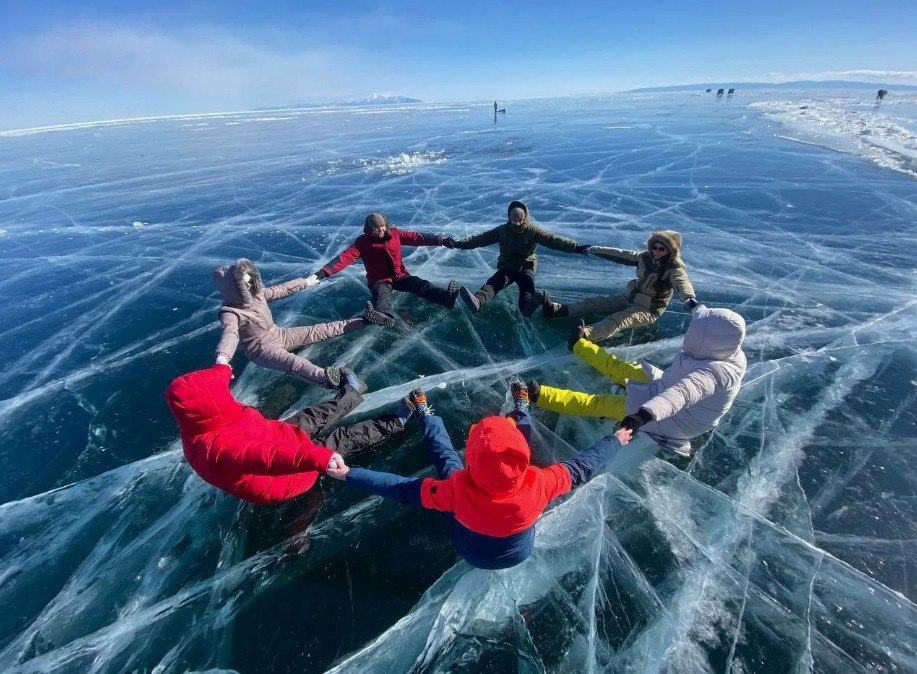
Russia is not about “surviving”. It is about… finally breathing deeply.
🔴 “Free healthcare or better not get sick?” → What doctors and pharmacies really look like in Russia
Who actually gets medical care and how
- 🩺 Public healthcare for locals and foreigners
Citizens and permanent residents have compulsory health insurance: GP visits, emergency care and part of the tests are free, but there can be queues and mixed service quality. [web:358][web:366]
Foreigners usually need insurance: for visas, study or work they get a policy that allows them to use specific clinics and hospitals listed in the contract. [web:359][web:361][web:368][web:377]
- 🏥 Private clinics
In big cities there are many private centers: faster appointments, more English, more comfort — but everything is paid. [web:358][web:365]
A standard doctor’s consultation in a private clinic is often around 25–60 $, with high‑end centers charging more; tests and diagnostics are billed separately. [web:363][web:369][web:372]
What pharmacies and medicines look like
- 💊 “Around the corner” pharmacies
In cities, pharmacies are everywhere: basic medicines — for colds, blood pressure, stomach issues, pain relief — are usually in stock. [web:373]
Many pharmacies stay open late or 24/7, and prices depend on brand and chain, but are generally lower than in much of Europe. [web:287][web:290]
- ⚠️ Complex and imported drugs
The most sensitive area is rare and highly specialized medicines: some imported drugs have become harder to find or more expensive. [web:364][web:367]
If you have chronic or serious conditions, it is important to check in advance whether your medication or its analogues are available in Russia, and how to legally bring your own with a prescription. [web:367][web:376]
Who is generally fine in this system — and who should plan more carefully
- If you are mostly healthy and only see doctors occasionally, a standard insurance policy plus access to private clinics is usually enough. [web:358][web:365]
- If you have chronic or rare conditions, you should plan ahead: medicine availability, private treatment costs and prescription/import rules. [web:367][web:371][web:374]
If you are curious and want to go deeper into this topic — write, and it can be discussed in more detail.
#RealRussia #HealthcareInRussia #PharmaciesInRussia #ForForeigners
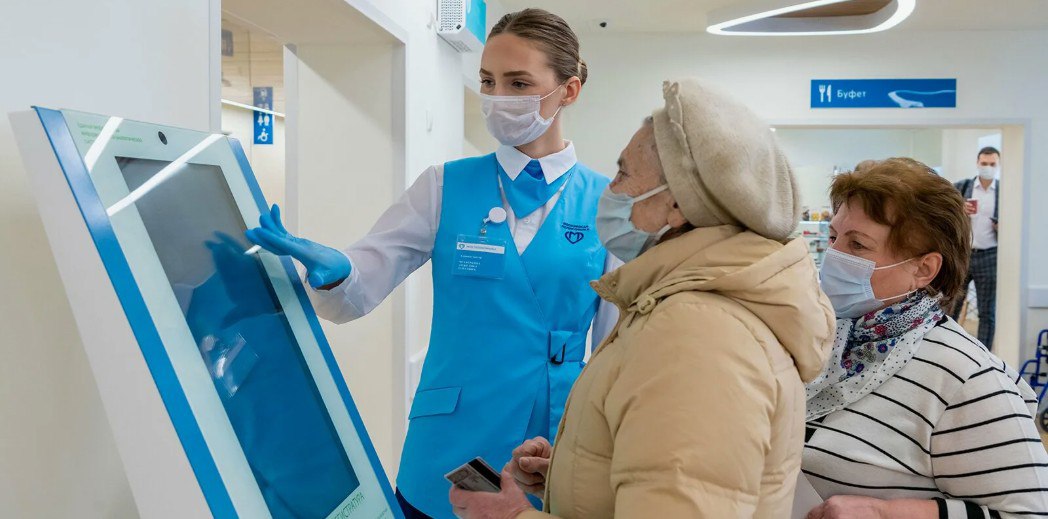
Welcome to Russia
🔴 “Work and everyday services” → What remote life and daily comfort look like in Russia
How people work here: office, remote, freelance
- 💻 Remote work and international clients
Many people in IT, design, marketing, translation and support work from Russia for companies and clients in other countries, getting paid in foreign currency or via mixed schemes. [web:322][web:328]
Freelance platforms and job boards connect Russian specialists with foreign clients, alongside classic contract‑based freelance work. [web:323][web:326][web:331]
- 🧑💼 Offices and hybrid formats
In major cities, many companies mix office and home: a few days in a coworking space or office, a few days from an apartment. [web:325][web:334]
For an expat or foreigner this often means: you can live in Russia and still work for external markets, if your profession allows remote work. [web:322][web:306]
What everyday services look like
- 📦 Food delivery and online shopping
Restaurant food, grocery sets, electronics, clothes — most of this is ordered through apps, with delivery usually the same day or the next. [web:327][web:329]
Large marketplaces and delivery services operate not only in big cities, but also in many mid‑sized cities. [web:327][web:330]
- 🚕 Taxis and getting around the city
Taxis are ordered through apps, and in big cities cars tend to arrive quickly; prices depend on distance and rush hour, but are often lower than in much of Europe. [web:287][web:288][web:290]
In daily life this means a private car is not always necessary: many people get by with “public transport + taxi when needed”. [web:329][web:306]
- 📲 E‑government and documents
Doctor appointments, taxes, fines and some documents are handled via unified online portals and apps, without long queues in front of doors. [web:329]
The system is not perfect, but the amount of pure “paperwork on foot” is shrinking every year.
Who benefits most from this setup
- Those who already work in digital fields (IT, marketing, design, content, consulting) and can offer services remotely. [web:322][web:328]
- Those who value solving “daily life from the phone”: from taxis to deliveries, without having to stand in lines in person. [web:287][web:330]
If you are curious and want to go deeper into this topic — write, and it can be discussed in more detail.
#RealRussia #WorkInRussia #RemoteWork #ServicesInRussia #ForForeigners

Welcome to Russia
🔴 “Expensive and dangerous?” → What everyday life in Russia really costs
(information for orientation, not a call to move)
From the outside you often hear: “everything is getting more expensive there and it is scary to go outside”.
From the inside the picture is calmer: prices are not magical, but manageable, and in the evenings people usually walk around their neighborhoods without drama. [web:287][web:291]
How much you roughly need per month
- 🏠 Housing (rent)
- A small apartment in a big city: around 400–700 $ per month, depending on the city and the district. [web:291][web:314]
- In smaller cities — about 250–450 $ per month for a simple flat. [web:291]
- 🥣 Food and groceries
- Lunch in a simple café: about 3–6 $ for soup, a main dish and a drink. [web:288][web:290]
- Groceries for one person for a week with a normal diet: around 35–50 $. [web:291][web:306]
- 🚍 Transport and mobile/internet
- A metro or bus ride in a major city: around 0.8–1 $ per trip, often cheaper with travel cards. [web:281][web:278][web:307][web:308]
- Mobile plan + home internet: on average 5–10 $ per month for a standard package. [web:291]
As a result, a modest but normal life for one person (rent + food + transport + basic expenses) often fits into roughly 700–1 000 $ per month, depending on the city and lifestyle. [web:291][web:287]
What safety in cities feels like
- 🚶♂️ Daytime
In the center of big cities you see regular city life: office workers, students, parents with strollers, tourists. [web:295][web:301]
CCTV cameras, security in malls, police patrols — all part of the usual city background that you quickly stop noticing.
- 🌙 Evening
In residential areas until about 10–11 p.m. people walk their dogs, come back from work, go to the shops. [web:298][web:304]
In the city center at night there are many bars, music and taxis: it feels like normal nightlife, not like a scenario where “you’d better not go outside”. [web:298][web:304]
- ⚠️ What to still keep in mind
Empty courtyards very late at night, very drunk groups, remote areas with no people around are not a great idea in any country, and Russia is no exception. [web:304]
Foreigners usually get standard advice: do not flash large sums of cash, keep an eye on documents and avoid conflicts.
If you are curious and want to go deeper into this topic — write, and it can be discussed in more detail.
#RealRussia #CostsAndSafety #LifeInRussia #ForForeigners
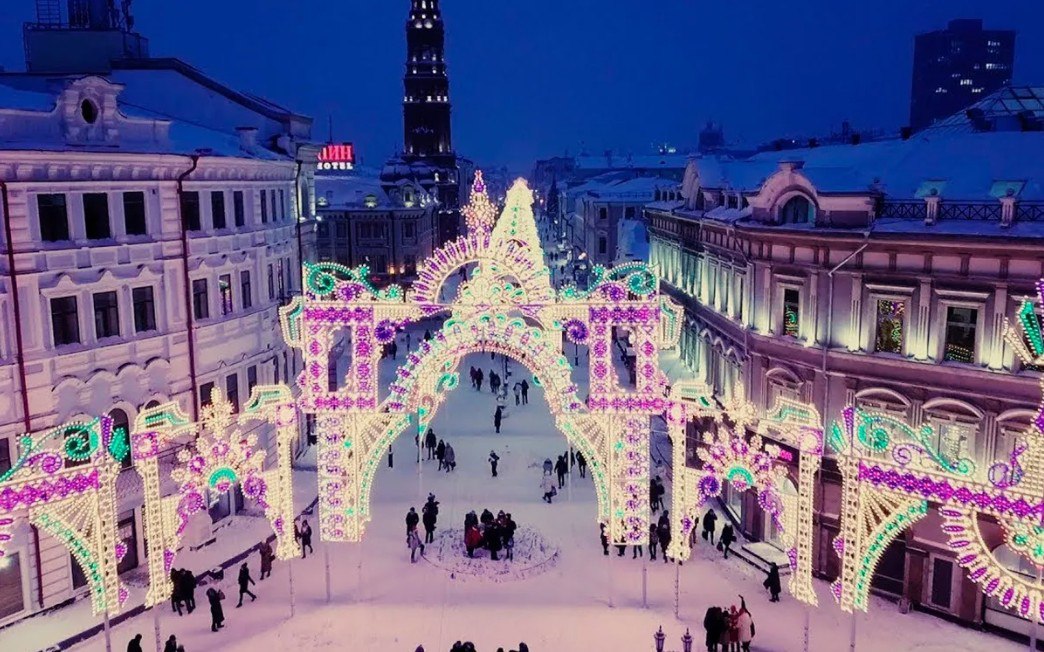
Welcome to Russia
🔴 “War, chaos, dictatorship?” → What if life is just… life?
(Russia, December 2025)
Sometimes it feels like the only way people talk about Russia is: war, crisis, restrictions.
But life is quieter than headlines. It does not shout. It just goes on.
And if you are looking at it from another country, the picture often does not match how it actually feels from the inside.
Here is what it looks like — no drama, no “how you should live”, just as it is:
- 🌤 Morning — in Moscow
Parents walk their children to school. Someone is in a hurry, someone is sipping coffee on the go.
At the entrance — a security guard, inside — the smell of fresh paint (the building was renovated this autumn).
In the parents’ chat they argue about who forgot to sign the notebook for math.
Familiar? Wherever you live — it happens the same way.
- 🍲 Daytime — in St Petersburg
In “Stolovaya №1” you can have a simple, childhood-style lunch for about 185 rubles: borscht, a cutlet, compote in a glass with a metal holder.
At the next table — a student with a laptop, an elderly man reading a newspaper, a couple discussing a trip to Sochi.
No one is filming for Instagram. They just eat. They just live.
- 💻 Afternoon — in Yekaterinburg
In the coworking space — a quiet hum of keyboards.
Someone switches language in a Zoom call from “Hi” to “Privet”.
The internet is fast enough that you forget something was supposedly “switched off”.
- 🌌 Evening — in Kazan
It is quiet. Snow crunches under your feet.
A mother pulls her child on a sled, a couple of runners in headphones and gloves jog past, an old man walks his shaggy dog.
No posters, no slogans — just the light of street lamps on the path and footprints in the snow.
And what about the “big picture”?
You might be surprised — but the metro still runs like it did before. Millions of people just ride it every day to get on with their lives.
People go to work, to visit friends, to see their parents — like always.
A single ride costs around 65 rubles. Trains are on time. Platforms are clean.
Yes, some things have changed.
But not everything.
And most importantly — you have not changed.
You still choose where to live, how to work, who to meet, where to go on weekends.
Why you will not see this in the news
- Silence does not trend.
- An ordinary day does not go viral.
- Happiness rarely shouts — it just exists.
If you have ever caught yourself thinking: “But what is it really like there?”
Just send:
Country + question
(for example: “Spain — can I really get through winter without freezing?” or “India — would a university even accept me there?”)
You will get an answer with no templates, no pressure, no “you must move right now!”.
Just a breakdown of:
- what it looks like,
- how much it costs,
- how long it takes,
- and what is real — and what is just a myth.
You decide for yourself.
The only goal is to help you see the full picture.
For everyone who is looking for truth — not in headlines, but in small details.
#RealRussia #LifeAsItIs #ForForeigners
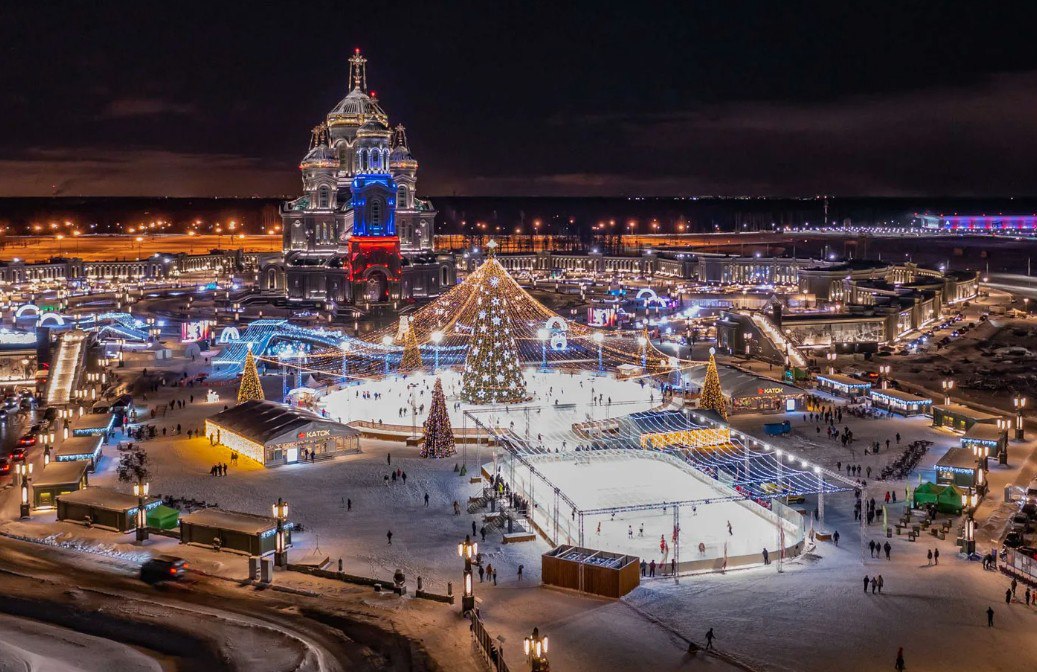
Welcome to Russia
🔴 RUSSIA: NOT CHAOS AND NOT DANGER — BUT A CALM, NORMAL LIFE THAT YOU ARE NOT SHOWN
📌 When you live abroad, Russia seems like something unclear.
Too many myths, too few real pictures.
But the truth is that Russia is not “extreme,” not “chaos,” and not “danger.”
Russia is an ordinary, calm, predictable life where everything works.
✅ HERE IS WHAT YOU WILL SEE IN THE FIRST 24 HOURS IF YOU ARRIVE HERE
🧹 1. Calm, clean cities
Streets are cleaned every day.
In the city center — order, cameras, lighting.
In residential areas — quiet, playgrounds, people walking in the evening without fear.
🤝 2. People who help, not scare
Russians may look serious, but if you ask — they will help, explain, show the way.
Especially if you are a foreigner — the attitude is usually even better than you expect.
🚇 3. Transport that works like clockwork
Metro, buses, commuter trains — everything is on schedule.
Clean, safe, calm.
In Moscow and St. Petersburg, the metro is among the best in the world.
🛒 4. Shops, cafés, services — everything is accessible and simple
24/7 stores, food delivery, taxis in 5 minutes, pharmacies on every corner.
Life here is not “complicated” — it is convenient.
📹 5. Cameras, security, order
Russia is one of the most “monitored” countries.
Cameras everywhere: streets, entrances, metro, shops.
This is not control — this is safety.
That is why street crime is low.
🌿 6. A normal, calm atmosphere
People live ordinary lives:
work, study, walk, go to cafés, do sports.
No “dangerous energy” like you see in the news.
📘 7. And most importantly — everything here is predictable
Laws are clear.
Procedures are straightforward.
There is bureaucracy, but it works.
If you know the rules — you are safe.
💬 Why am I telling you this?
Because most foreigners are not afraid of Russia —
they are afraid of the unknown.
When you understand what Russia is really like, the fear disappears.
What remains is interest.
And the desire to see everything with your own eyes.
If you want to understand Russia without myths — just write in the chat.
We will discuss any questions honestly, calmly, and as friends.
#MovingToRussia #LifeInRussia #RussiaGuide #Expats #RussiaSafety #RussiaReality #Relocation
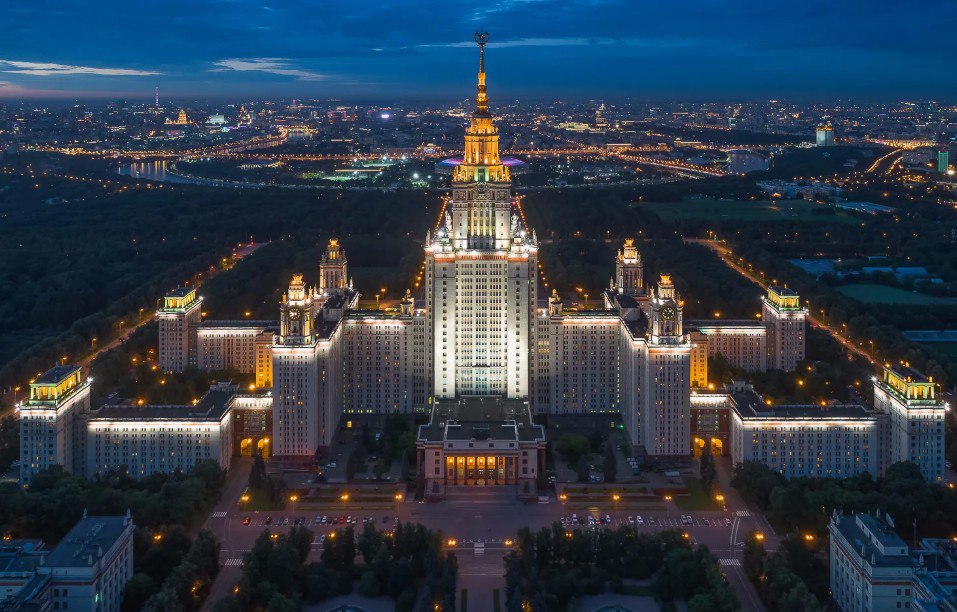
Welcome to Russia
🛑 YOU DON’T HAVE TO FIGURE EVERYTHING OUT ALONE
📌 If you:
• are trying to understand how to legally stay in Russia
• don’t know where to start with paperwork
• are afraid of making mistakes and wasting time or money
• have already faced scams or rejections
✅ Know this: you’re not alone.
Here, we break everything down step by step.
No panic. No sugarcoating. No “it’s easy” — because sometimes it’s not.
📎 We talk about the real stuff:
• how the system actually works
• where the hidden traps are
• how not to get lost in bureaucracy
• where to turn when things go wrong
💬 And most importantly — we answer.
Even if your question feels “stupid.”
Even if you’ve already tried and failed.
Even if you just want to ask: “Could I actually make it work?”
➤ Write in chat. Read. Save. Share.
Sometimes everything changes with one honest answer.
#RussiaSupport #MovingToRussia #ExpatHelp #LifeInRussia #TelegramCommunity #NoPoliticsJustHelp #RussiaGuide #HonestAnswers
🧠 MYTHS & REALITY BEFORE MOVING TO RUSSIA
❌ MYTH 1: “In Russia you can’t do anything without connections and bribes.”
✅ REALITY
Most things are done through documents and clear procedures, not through “friends in high places”. What you really need is:
– the right visa and registration
– clean documents
– patience for bureaucracy
– reliable information instead of “fixers”
💡 WHAT TO DO
– Stay away from anyone who promises to “solve everything fast” for cash
– Always sign written agreements and keep receipts
– Use official channels only: consulates, MVD, Gosuslugi, and trusted professionals
❌ MYTH 2: “Russia is dangerous everywhere.”
✅ REALITY
Safety depends on the city and neighbourhood, just like in any other country. In many Russian cities, everyday life is calm and normal: people go to work, study, use public transport and walk in the evenings without major problems
💡 WHAT TO DO
– Choose your city and district before you move, not after
– Avoid drunk crowds, illegal taxis and random “party companies”
– Ask locals or experienced expats which areas they personally avoid — and why
❌ MYTH 3: “Moving to Russia will magically fix my life.”
✅ REALITY
Russia is not a magic reset button. You will still face:
– a new language
– different laws and taxes
– new social rules
– the same personal issues you had before
💡 WHAT TO DO
– Be honest with yourself about why you want to move
– Write down your concrete goals for the first year in Russia: work, family, lifestyle, budget
– Talk to people who already moved and ask them about real difficulties, not only about “beautiful photos”
💬 Still living outside Russia, but thinking about moving here?
Just write in the chat — you will always get help with any question you have.
#MovingToRussia #RussiaMyths #Expats #LifeInRussia #RussiaRelocation

Welcome to Russia
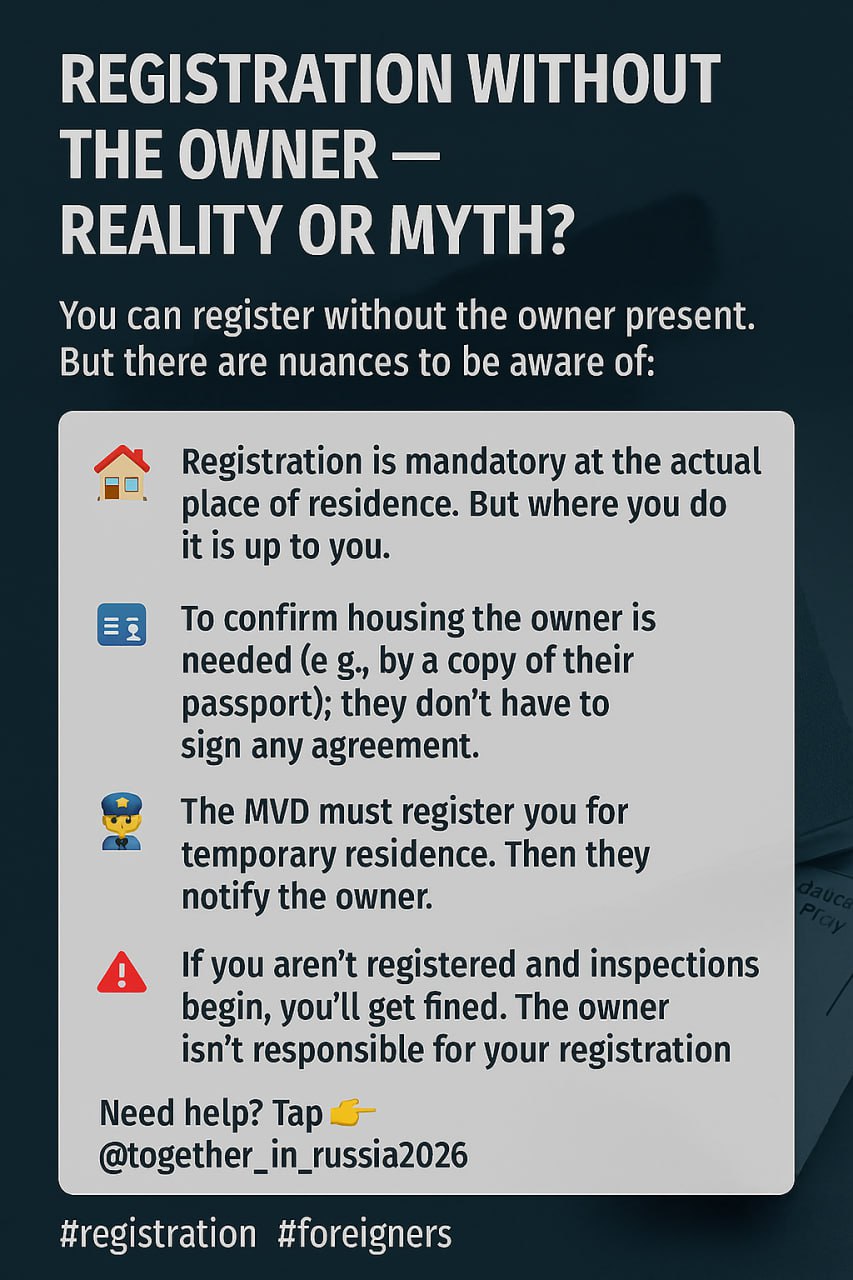
🛑 REGISTRATION WITHOUT THE PROPERTY OWNER — REALITY OR MYTH?
📌 A common question: Can you register without the owner present?
Answer: Yes — but only legally and with conditions. Here’s how it works:
✅ 3 CASES WHEN IT’S POSSIBLE
📝 1. With a notarized power of attorney
If the owner can’t come, they must issue a notarized POA authorizing you.
⚠️ Only notarized! A photo or printout won’t work.
📎 2. If you own the property
You can register yourself without anyone else.
🏢 3. Via Gosuslugi (limited cases)
Works only for TRP/PR holders. The owner confirms online via their personal account.
❌ DOESN’T WORK:
• No POA
• No owner consent
• Rental contract without owner’s signature
📌 The MVD has the right to reject your application if there’s no owner confirmation.
🔗 Need help?
Write “Check” — we’ll review your documents and explain how to get a POA and avoid rejection.
—
#registration #foreigners #migration #documents #expatsinrussia #russiahelp #gosuslugi #legalstay
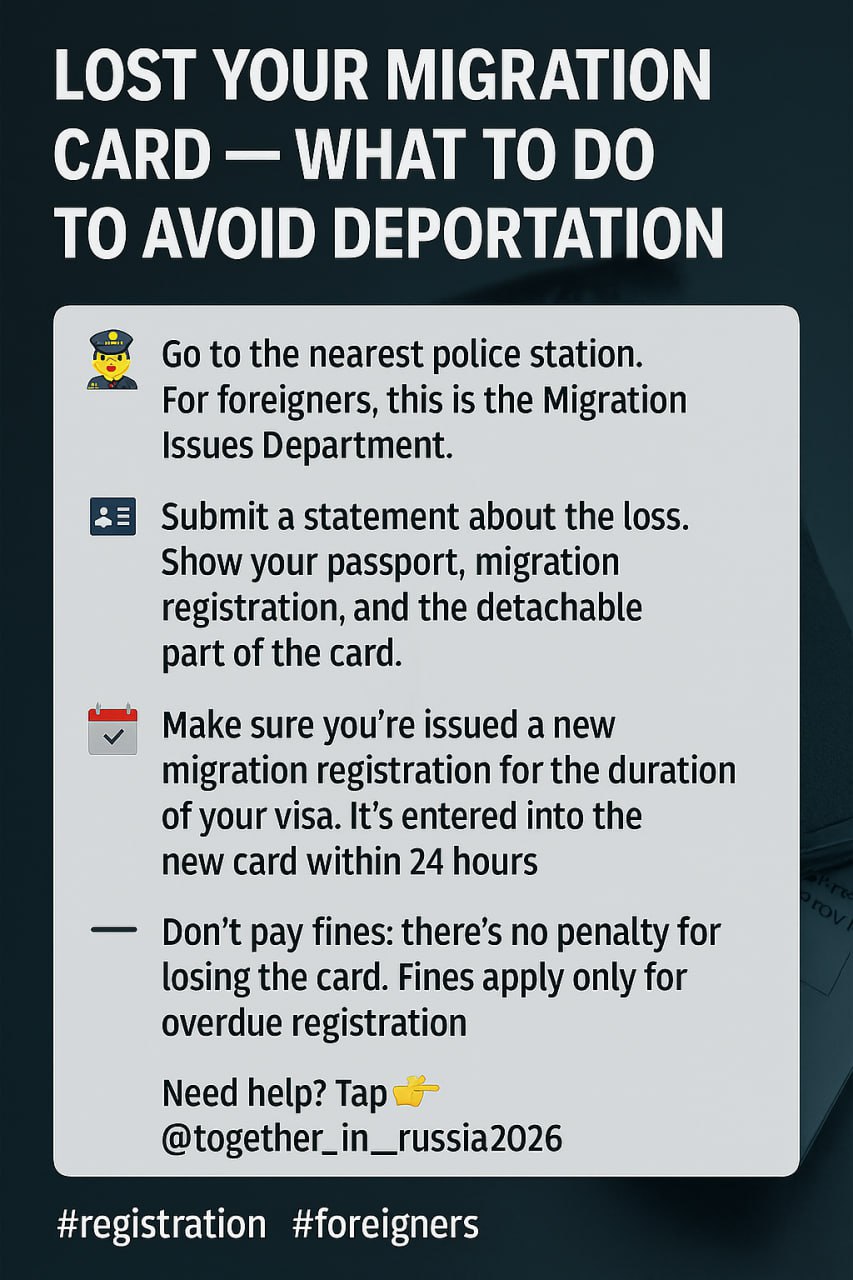
🛑 LOST YOUR MIGRATION CARD? DON’T PANIC — HERE’S WHAT TO DO TO STAY LEGAL
📌 Losing your migration card isn’t the end. The key is to act fast and correctly. Here’s your clear plan:
✅ 4 STEPS IF YOU LOST YOUR CARD
👮 1. Go to the nearest migration police office
Report the loss in person. You don’t need to go to your registration district.
🆔 2. Submit a loss statement
Bring:
• Passport
• Detachable registration coupon (if you still have it)
• Copy of the card (if available)
• Passport translation (if it was required during registration)
📅 3. Get a duplicate and new registration
You’ll receive a new migration card and updated registration. Usually within 1 working day. Make sure the registration period matches your visa or 90 days from entry.
➖💳 4. No fines — if you act on time
⚠️ You’re not fined for losing the card. Fines apply only if registration is overdue.
📸 Tip:
Take a photo of the new card and coupon. Save it to your phone and cloud.
🔗 Need help?
Write “Check” — we’ll review your documents and give you a step-by-step plan.
—
#registration #migration #expatsinrussia #migrationcard #lostdocuments #russiahelp #legalstay #gosuslugi
Welcome to Russia
✅ Summary: 5 Key Rules for Extending Registration in Russia
Want to avoid fines and document issues? Follow these 5 essential rules — no exceptions.
⏳ 1. Track Deadlines
• Submit no later than 7 days before current registration expires
• Ideal: 10–14 days in advance → time to fix errors
• Missing the deadline = fine risk:
• Up to 5,000 RUB (Moscow/St. Petersburg)
• Up to 3,000 RUB (other regions)
📎 2. Prepare a Complete Document Package
✅ Must-have (all cases):
• Passport + notarized translation
• Migration card (original only!)
• Previous registration notification
• 2 photos (3×4 cm)
• State fee receipt
➕ Additional (by basis):
• Visa / RVP certificate / work patent / employment contract / income proof
⚠️ Critical:
• All copies → notarized
• Foreign documents → certified translation only
📅 3. Verify Document Validity
• Passport, visa, patent, contract — must be valid on submission date
• If any expires before registration extension → renew it first
• Typos, outdated addresses? → automatic rejection
🔍 4. Personally Monitor the Process
• At MVD/MFC → get a receipt with application number
• Keep it until new registration is issued
• Check status via:
🔹 Gosuslugi → “Migration & Citizenship” → “Check Registration Status”
🔹 In person (bring receipt + passport)
• Rejected? → Demand a written refusal → fix & resubmit
📁 5. Keep All Proof
• New registration coupon (blue stamp) = your legal proof → carry it
• 📸 Photo/scan everything: documents, receipt, coupons
• Store payment receipts (patent, fee, etc.) for ≥3 years — required for RVP/VNZ/citizenship
📌 Key Reminders:
• Registration can only be extended on legal grounds: visa, RVP, work patent, employment
• Property owner must attend in person — or provide notarized power of attorney
• Without the coupon → no RVP, no PR, no citizenship
➡️ Need a document review?
→ Write “Check” in chat
Within 24 hours you’ll get:
• Error analysis
• Personal action plan
• Direct answers
📌 Save this post — it helps you stay compliant, safe, and in control.
—
#RussiaRegistration #MigrationCardExtension #ExpatsInRussia
Welcome to Russia
✅ Where to Submit & How to Check Your Registration Extension
Step-by-step: submission + real-time tracking.
📍 Where to go?
• MVD Migration Office — main option (✅ most reliable)
• MFC (Multi-Service Center) — only if your region accepts migration cases
• Gosuslugi — limited cases (e.g., RVP holders only)
📎 How to submit:
Fill out the application form (varies by extension basis)
Attach documents from the checklist (Post 2)
Hand the package to the officer
Get a receipt — ✅ keep it until new registration arrives
Confirm processing time (usually 3–7 working days)
🔍 How to check status:
🔹 Via Gosuslugi:
• Log in → “Migration & Citizenship” → “Check Registration Status”
• Enter passport + arrival date
🔹 In person (MVD/MFC):
• Bring receipt + passport
• Ask at the service window
⚠️ If rejected:
• Request a written refusal — it’s your legal right (Art. 7, Law #115-FZ)
• Double-check:
✓ All documents complete?
✓ No typos in the form?
✓ All dates valid?
• Resubmit after corrections
📌 Pro tips:
• 📸 Take photos/scans of all documents before submitting
• Keep receipts + coupon until new registration is issued
• ⏰ If deadline is tight — call the office to check status
✅ Done. You now know the full process — no guesswork.
➡️ Need a document review?
→ Write “Check” in chat
Within 24 hours you’ll get:
• Error analysis
• Personal 7-day action plan
• Direct answers
#RussiaRegistration #MigrationCardExtension #ExpatsInRussia
✅ Documents Required for Registration Extension
We’ve compiled a checklist for different cases. Double-check — do you have everything?
📎 General Package (for everyone):
• Passport + notarized translation (valid on submission date)
• Migration card (original only!)
• Previous registration notification (old stamp/coupon)
• 2 photos, 3×4 cm
• Receipt of state fee payment (amount depends on extension basis)
📎 Additional Documents (by case):
🔹 For visa holders:
• Valid visa
• Invitation/hospitality letter from employer/university (for work/student visas)
🔹 For RVP holders:
• RVP certificate
• Proof of income OR sponsor’s letter (if unemployed)
🔹 For work patent holders:
• Valid work patent
• Payment receipts for the last 3 months
• Employment contract (if applicable)
🔹 For employment contract holders:
• Signed contract (must cover the extension period)
• Copy of employer’s INN (tax ID)
⚠️ Critical Notes:
• All copies — must be notarized (except receipts/certificates)
• Foreign-language documents — only with certified translation
• If property owner can’t attend — notarized power of attorney required
📌 Pro tip:
→ Screenshot this checklist — use it when gathering documents.
➡️ Next post: Where to submit & how to check your status online.
#RussiaRegistration #MigrationCardExtension #ExpatsInRussia
When & Why to Extend Your Registration
You’ve completed your initial registration — great! But what’s next?
⚠️ Important: Registration is not permanent. You must extend it if you stay in Russia beyond the validity period stated in your notification (usually 90 days from entry).
✅ When is extension required?
• You hold a visa (work, student, etc.) → registration is extended for the visa’s validity period.
• You’ve received a Temporary Residence Permit (RVP) → registration lasts until RVP expires.
• You’ve obtained a work patent → registration is tied to the paid patent period.
• You have an employment contract → registration aligns with the contract term.
❌ What if you don’t extend?
• Fine: up to 5,000 RUB (Moscow/St. Petersburg), 3,000 RUB (other regions)
• Entry ban for repeated violations
• Issues with future documents (RVP, PR, citizenship)
⏰ When to apply?
• No later than 7 days before current registration expires
• Better: 10–14 days in advance — to fix mistakes if needed
📌 Save this — it helps you avoid missing the deadline!
➡️ Share this post with a friend — so they don’t miss their registration extension deadline.
#RussiaRegistration #MigrationCardExtension #ExpatsInRussia
